


Social Work Class Explores How Kuyper Prepares Students for Graduation
One of Professor Kelli Hoffman’s favorite things about her Social Work Research class is watching her students transform as the semester unfolds.
“Generally, they come in with a sense of dread, because they have a perception that the class is all about numbers, charts, technical jargon; what they see as the ‘boring stuff’,” she said.
But, the associate professor of social work and Director of Social Work Field Practicum added, as they learn about social work research by conducting their own project, those ideas quickly to begin to change – something one group of students recently demonstrated when they shared the fruits of their efforts with members of the Kuyper College community.
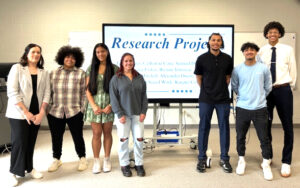
In mid-April, Jen Brunges, Catherine Cone, Samuel Dillard, Aniya Fisher, Brynne Johnson, Ryan Mitchell and Alex Owens presented the results of their semester-long look into Kuyper students’ post-graduation concerns to a group of faculty and staff.
Hoffman emphasized that projects like this help prepare students for a future as social workers by making them active participants in the class material.
“By incorporating the hands-on approach of creating an actual research study, the students really immerse themselves in the process. It makes the classroom content come alive,” she said.
Though Hoffman typically chooses topics for the class projects – which must use Kuyper students as their subjects – ahead of time, she gave this year’s class a bit more freedom, and the results did not disappoint.
They designed and conducted a survey of anxieties that second-, third- and fourth-year students have about life after Kuyper, delving into topics like financial stress and today’s housing and job markets, with the goal of identifying steps to enhance support for future Kuyper graduates.
The process, the group said, yielded encouraging findings.
“There were some lingering concerns, but we found that students’ overall feelings toward graduation and whatever comes next were positive,” Johnson noted.
They discovered that this was due in large part to the buoying effect of respondent’s Christian faith, as well as all the ways Kuyper already equips its students for life after graduation.
“They tended to talk about the skills they’re learning through things like their internships, KuyperWorks jobs, and capstone classes, and how those are helping them feel more prepared,” said Owens.
Data from the class projects is typically shared with Kuyper faculty and staff, Hoffman said, often leading to new programs that meet the Kuyper student body’s specific needs.
“By giving staff and faculty concrete data, it takes away the guessing game of ‘what do students need’ and allows us to be more intentional and evidence-based with our support,” she added.


